
Spain Adventure Travel Guide: Ideas and Inspiration
PureTravel Says: “The Kingdom of Spain is located on the Iberian Peninsula, in southwestern Europe. The mainland of Spain shares land borders with Gibraltar, France, Andorra and Portugal and its shores border along the Mediterranean Sea, Bay of Biscay and Atlantic Ocean. Additionally, Spanish territory includes the Balearic and Canary Islands, as well as two autonomous cities in North Africa, bordering on Morocco.”
-----------------------------------------------------------
Overview
Covering an area of over 500,000km sq., Spain is the second largest country in Western Europe, after France. The influence of Spain’s history as a world power is evidenced by the fact that the Spanish language is spoken by over 400 million people worldwide.
The landscape of mainland Spain is vast and varied, from high plateaus and mountain ranges, to rivers, valleys, alluvial plains and beaches. Its climate ranges from Mediterranean to subtropical and oceanic, and temperatures vary greatly, depending on geography and season. Seaside water sports are favourite pastimes, as are hiking, cycling and skiing.
-----------------------------------------------------------
Culture & History
A member of the European Union, Spain today is a peaceful, prosperous nation and has been a democracy since 1978.
The current population of Spain is approximately 46 million. Although urban centers, such as the capital city of Madrid, are naturally more crowded than rural areas, the country’s population density is lower than many countries in Western Europe.
Spain has a richly diverse heritage, artistic and cultural contributions and claims the second highest number of UNESCO World Heritage sites with a total of 40.
The official language of Spain is Spanish, although visitors should be aware that, within the country, this language is often referred to as “castellano”, or Castilian (the language of the castle), as opposed to “español”. The Spanish word for Spain is “España”. Other co-official languages, spoken regionally, include Basque, Catalan, Galician and Valencian. The majority of the younger generations speak English.
Spanish people tend to be gregarious, relaxed and very laid back. Family-time and socializing centers around meals and visitors will be amazed to find that, in many places, dinner is eaten as late as 10 or 11pm. Night owls will enjoy the discotheques and nightclubs where the party starts after midnight and continues until daybreak. Ibiza is a well-known party hot spot, and cosmopolitan Barcelona also doesn’t disappoint.
-----------------------------------------------------------
Top Tips
Spain is a member of the European Union and a valid EU or North American passport entitles visitors to a 90 day stay in the country. Citizens of other countries should check with the Spanish embassy or consulate in their home country regarding entry requirements and visas.
The monetary unit is the Euro. Credit cards are widely accepted, and ATM machines, banks and “cambios” are easily found. Visitors might want to dress so as to blend in with the locals. Ensure wallets and passports and concealed and hold cameras and purses close to you in crowded urban areas, in case of pickpockets.
Visitors should bring:
- GSM or 3G/4G mobile phone
- A power converter and adaptor for electronics (for the European standard 230 volt 50Hz current, and Schuko style two prong outlets)
- Sun protection (particularly in the summer months)
- Rain gear or layers of clothing (for the winter months)
Spain is in the central European time zone (CET), which is UTC/GMT+1 hour and follows the European daylight savings time schedule.
-----------------------------------------------------------
Travel
Visitors to Spain traveling on major airlines will most likely arrive into Madrid’s Barajas airport (MAD) or Barcelona’s El Prat airport (BCN). Of course smaller airports are located in close proximity to almost every large city, and flights from other European countries are frequent. Within Europe and also within Spain itself, domestic flights can be relatively affordable thanks to the many low cost carriers in Europe. Travel by bus and rail within Spain are also convenient, and rental cars are readily available.
Spain is composed of 17 politically autonomous communities, and within them, a total of 50 provinces and visitors interested in ecological preservation will not want to miss an area known as “Green Spain”, composed of the northern regions of Galicia, Asturias, Cantabria and the Basque Country.
-----------------------------------------------------------
Holiday Highlights
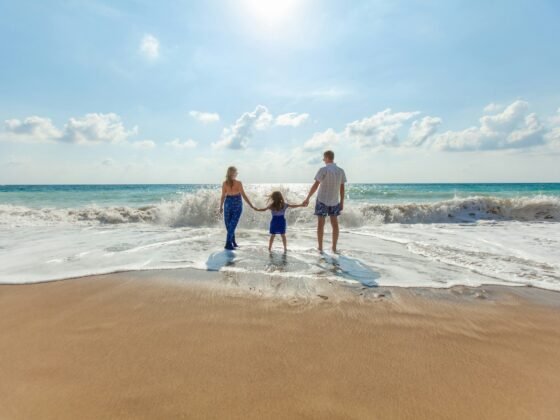
Water Sports - With almost 8,000km of coastline and numerous islands off shore, water sports are popular leisure pursuits in Spain. Summertime water temperatures are warm, particularly in the Mediterranean.
World-class sailing is found in the waters off the northeastern Mediterranean coastline, near Barcelona, and the Olympic Port, built for the 1992 summer games, is full of sailboats, catamarans, motorboats and yachts for charter. Cruising the calm waters by boat rental Sant Antoni Ibiza is a memorable way to experience this area. Other popular places for sailing are the additional Balearic Islands of Mallorca, Menorca and Formentera and the Canary Islands of Tenerife, Lanzarote, Fuerteventura and La Gomera.
With an easily obtainable license, one can also enjoy deep sea fishing which is offered almost everywhere fish are found, which is just about everywhere off the coast of Spain.
Of particular note for water sports are the Mar Menor (little sea) and the Costa Cálida (warm coast), in the southeastern region of Murcia. Boasting more than 300 sunny days per year, a coastline of sandy beaches and an average temperature of 18C, this area features a shallow ocean lagoon that’s nicknamed the “world’s biggest swimming pool”, where the salt content and water temperature are above average. Windsurfers in particular will enjoy this area.
Walking, Hiking and Trekking - Explore the countryside on foot, following one of Spain’s many “vias verdes” (literally translated as “green ways”), which are old railway routes that have been re-introduced as paths for walkers and cyclists. Environmentally friendly, they are a motor vehicle free zone, and that even includes mopeds and scooters which seem to be everywhere else in Spain! There are over 1,500kms of via verde, and the majority are relatively flat, making them suitable for all ages and athletic abilities. They are well sign-posted with information about artistic, historical and cultural sites along the way.
For a more strenuous, challenging trek, head to the mountains and the region of Navarre. With the Pyrenees in the north and the Aralar, Urbasa and Andía in the west, a vast system of hiking trails is available, of which more than 2,000km are signposted.
Hiking trails are denoted by numbers beginning with the letters GR, meaning long distance. In Navarre, select from routes such as the GR11, which traverses the Pyrenees from east to west, passes through spectacular scenery and attains high altitudes. Or try GR65, known as the Saint James’ Way, which passes over mountains and through valleys, farmland and towns such as Pamplona which was founded by the famous Roman General Pompey in 75BC and is well-known for its annual “running of the bulls” festival.
In the south of Spain, the region of Andalusia extends from the Sierra Nevada Mountains to the country’s southern coastal border, and has an extensive network of hiking trails. Worthwhile is the GR7, which passes through six of the region’s eight provinces.
For visitors looking for nature without traveling too far from Madrid, a rich and varied landscape of mountains, plateaus, foothills and river plains can be found just a short distance from the city. The GR124 travels the approximately 60km route once used by Spanish monarchs, from the city of Madrid to the town of Manzanares El Real, situated in the Sierra de Madrid mountains and located within the Cuenca Alta del Manzanares Park, a UNESCO Biosphere Reserve since 1993. In Manzanares El Real, don’t miss the 15th century castle, which is one of the best preserved in the region.
Skiing - Spain is the second most mountainous country in Europe and with thirty-five ski resorts, it’s not surprising that winter sports of all varieties are popular in Spain. So popular in fact that there’s an indoor ski resort in Madrid, for those who are short of time. It is incredible to think that some of country’s best snow can be found only two hours from the country’s best beaches. The Sierra Nevada mountain range, north of Grenada in the region of Andalusia, claims to have the best quality of snow and the longest ski season (almost 5 months). In fact, on a clear day from the Laguna and Veleta slopes, skiers can see the coastline and Mediterranean Sea.
In northern Spain lie the Pyrenees Mountains, with sixteen full service ski (and snowboarding) resorts which not only cater to ski and board enthusiasts, but also to families with young children and other winter sports pursuits. Day care services and snow parks are available, as are other activities such as ice skating.
Perhaps the most spectacular ski resort in the Pyrenees, with what many claim are the best slopes in Europe, is Baqueira-Beret. With challenging runs for expert skiers and tamer ones for beginners, Baqueira’s climate, snow quality and après-ski (dining, nightlife and entertainment) make it a favourite spot.
Like many winter sports resorts, summertime brings a new range of attractions, including white water rafting, horseback riding, paragliding, hiking and cycling.
-----------------------------------------------------------
When To Go
As a rule, Spain enjoys four distinct seasons, but the country is large and therefore climates vary greatly from region to region. For example, July and August will bring average temperatures in the 90’s to Madrid and Seville, while Santiago rarely sees days over the low 70’s, even in mid-summer.
And though the mountainous regions will see snow and freezing temperatures each winter, lows in other parts of the country tend to hover in the mid 40’s, although Madrid can experience colder weather, sometimes in the low 30’s.
During the summer months of June, July and August, inland cities can be unbearably hot, with Madrid and Seville regularly hitting 110F (44C). Like many European countries, August is when Spaniards take their vacations and the locals head straight to the coast. Though summer is a wonderful time for touring Spain, visitors should be aware that early summer brings crowds, and in late summer, some shops, cafes, bars and restaurants may be closed because their owners are at the beach, escaping the heat. Watch for signs that say “cerrado por vacaciones” (closed for vacation).
Both fall and spring are generally mild, with days warm enough for sunbathing, but cool enough for more active pursuits. As elsewhere, springtime weather can be unpredictable and visitors should come prepared for cold, rainy weather as well as sunny, dry days.
As a rule, winters are cold and some regions, particularly Galicia in the northwest are very wet, with an average of 20 days of rain per month. The southern regions may still experience mild, warm days.
-----------------------------------------------------------
Classic Itineraries
- Sailing, yachting or fishing in the Mediterranean, or around the Balearic Islands or Canary Islands.
- Walking along one of the many via verdes.
- Hiking or Trekking the many GR trails around the country.
- Skiing in the Pyrenees, at Baqueira-Beret resort or any of the other alpine or Nordic ski resorts.
- Skiing in the Sierra Nevadas, with occasional ocean views.
- Biking.
-----------------------------------------------------------
UNESCO World Heritage Sites
There are a total of 44 World Heritage Sites across Spain:
Natural Sites:
- Garajonay National Park
- Doñana National Park
- Teide National Park
Mixed Sites:
- Ibiza, Biodiversity and Culture
- Pyrénées - Mont Perdu
Cultural Sites:
- Tower of Hercules
- Cultural Landscape of the Serra de Tramuntana
- Heritage of Mercury. Almadén and Idrija
- San Cristóbal de La Laguna
- Archaeological Ensemble of Tárraco
- Archaeological Site of Atapuerca
- Catalan Romanesque Churches of the Vall de Boí
- Palmeral of Elche
- Roman Walls of Lugo
- Aranjuez Cultural Landscape
- Renaissance Monumental Ensembles of Úbeda and Baeza
- Vizcaya Bridge
- San Millán Yuso and Suso Monasteries
- Prehistoric Rock Art Sites in the Côa Valley and Siega Verde
- Rock Art of the Mediterranean Basin on the Iberian Peninsula
- University and Historic Precinct of Alcalá de Henares
- Historic Walled Town of Cuenca
- La Lonja de la Seda de Valencia
- Las Médulas
- Palau de la Música Catalana and Hospital de Sant Pau, Barcelona
- Historic City of Toledo
- Mudejar Architecture of Aragon
- Old Town of Cáceres
- Cathedral, Alcázar and Archivo de Indias in Seville
- Old City of Salamanca
- Poblet Monastery
- Archaeological Ensemble of Mérida
- Route of Santiago de Compostela
- Royal Monastery of Santa María de Guadalupe
- Alhambra, Generalife and Albayzín, Granada
- Burgos Cathedral
- Historic Centre of Cordoba
- Monastery and Site of the Escurial, Madrid
- Works of Antoni Gaudi
- Cave of Altamira and Paleolithic Cave Art of Northern Spain
- Monuments of Oviedo and the Kingdom of the Asturias 24
- Old Town of Ávila with its Extra-Muros Churches
- Old Town of Segovia and its Aqueduct
- Santiago de Compostela (Old Town)
-----------------------------------------------------------
Festivals, Events and National Holidays in Spain
Spain’s packed annual calendar of festivals, fiestas and events is an intriguing fusion of national anniversaries and religious themed celebrations. Each of the 18 municipalities has its own public holidays and local observances and these are the key dates throughout 2014.
Año Nuevo, New Year’s Day
Day of Andalucía: 28 February
St. Joseph’s Day: 19 March
Labour Day: 1 May
All Saints’ Day: 1 November
Constitution Day: 6 December
Immaculate Conception: 8 December
Christmas Day: 25 December
-----------------------------------------------------------